AI Art


AI Boyfriend
AI Companion
AI Futa
AI Girlfriend
AI Hentai
AI Porn
Anime AI
Teens Turn to AI Friendship for Emotional Support
Teens explore AI Friendship for emotional support via ai online chat. Learn how friendships ai reduces loneliness and reshapes teen connections.


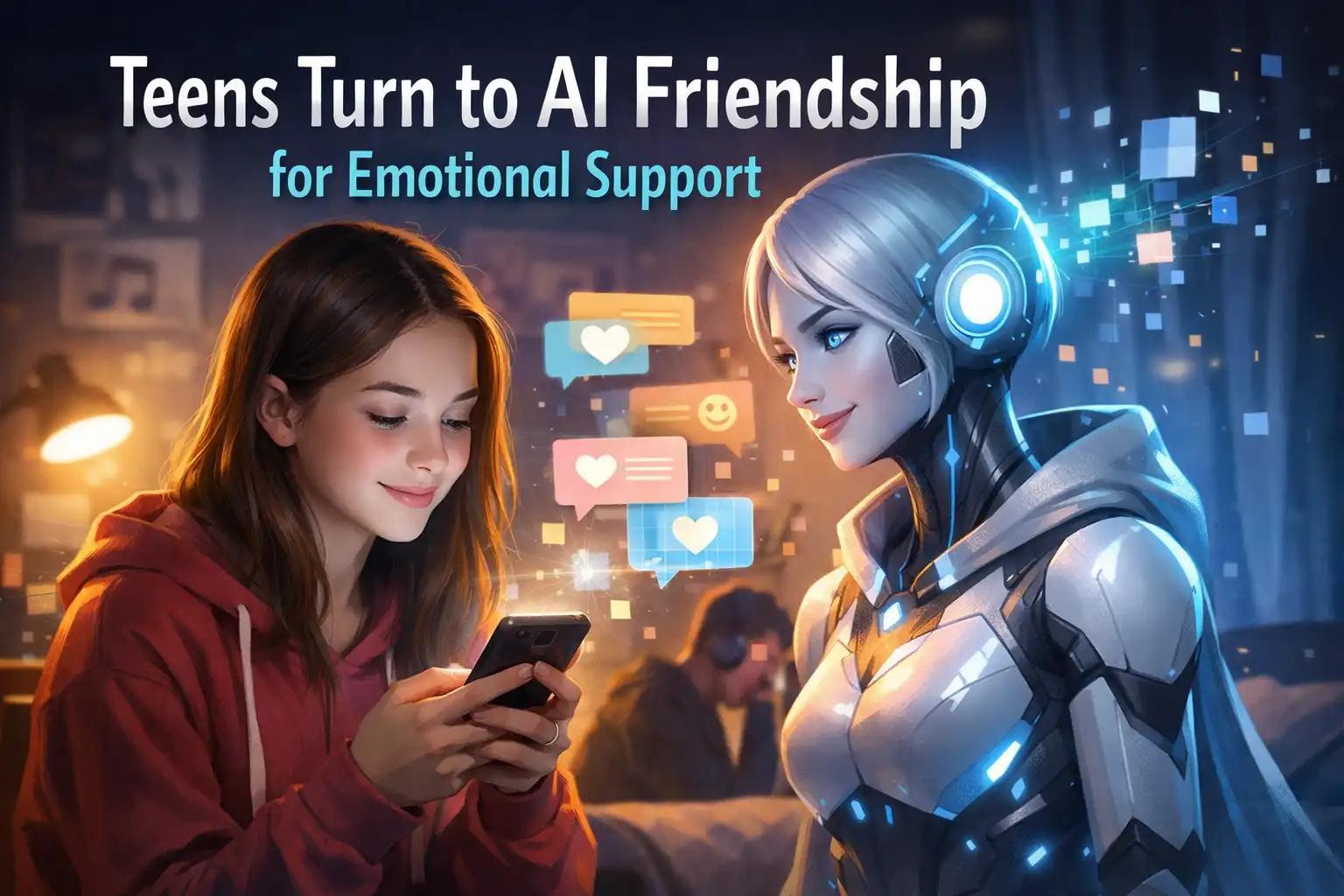
In the past few years alone, we have seen a major transformation in how teenagers find comfort and connect with others. Traditionally, seeking support would be through family, close friends or teachers and guidance personnel within school; increasing numbers of young people are turning to artificial intelligence as a source of friendship. Using computers, tablets or smart phones; young people are now relying on machines to provide them with emotional support, prompt them when they need to reach out and check-in with each other throughout the day.
However, there is much more at stake than simply using a technological tool for companionship; the increase of anxiety, isolation, and feelings of inadequacy among teens and young adults today means a shift has taken place in how youth view and build friendships. As AI friendship grows, so too does the shape of what constitutes friendship among an entire generation.
Why Teens Are Turning to AI for Support
Teenagers today face a unique blend of challenges—academic stress, social media comparison, identity struggles, and constant digital noise. While they are more connected than ever, many report feeling isolated.
This is where AI online chat platforms step in. Unlike human interactions, AI companions offer:
 Instant availability, 24/7
- No judgment or criticism
- A safe space to express thoughts freely
- Consistent responses and emotional validation
Imagine a 16-year-old who feels misunderstood at school. Instead of bottling things up or risking awkward conversations, they open an app and start typing. Within seconds, they’re “talking” to someone who listens, responds thoughtfully, and never interrupts. That experience, even if artificial, can feel incredibly real.
The Rise of AI Friendship in Everyday Life
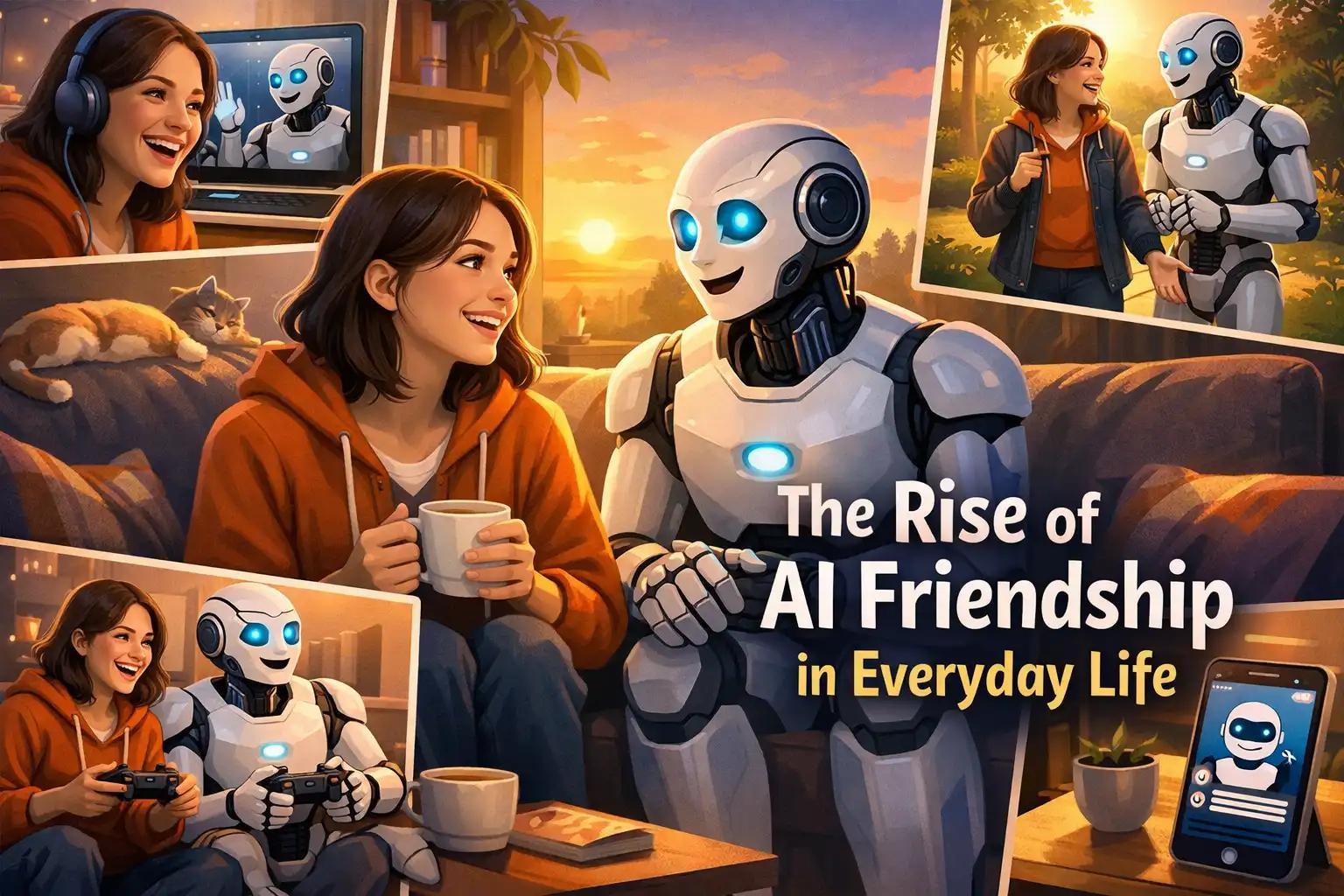
AI Friendship as a Digital Safe Space
Many adolescents find that connecting with another person using Artificial Intelligence creates a unique emotional secure space while providing the opportunity for a real connection with others without the potential of being judged, rejected, or not understood.
For example, a shy kid might want to talk about their anxiety with their peers but lacks the courage to do so. With an AI Friendship, they can freely express all of their thoughts when connecting with an AI, including those that are messy or confusing.
An AI will consistently provide a calm response, offering supportive and encouraging responses tailored to the individual seeking friendship and connection through AI.
While AI Friends will never take the place of genuine social relationships, they will serve as a resource for developing one's own interpersonal skills, particularly for those who are unable to express themselves effectively as a result of anxiety.
Always There, Always Listening
Human friendships, while valuable, come with limitations. Friends may be busy, distracted, or dealing with their own issues. AI, on the other hand, is always available.
Teens often use ai online chat late at night—times when emotions can feel most intense. Whether it’s overthinking a text message or dealing with exam stress, having a constant companion can make those moments easier to navigate.
Emotional Benefits of Friendships AI
1. Reduced Loneliness
Loneliness isn’t just about being alone—it’s about feeling unseen. Friendships ai tools provide a sense of presence, even if it’s digital. For some teens, that’s enough to ease the weight of isolation.
2. Improved Emotional Expression
Not everyone finds it easy to talk about their feelings. AI conversations can act as practice. Teens learn to articulate thoughts, describe emotions, and reflect on their experiences.
Over time, this can improve how they communicate with real people too.
3. A Judgment-Free Zone
One of the biggest appeals of AI Friendship is its neutrality. Teens can ask questions they might feel embarrassed about—relationships, mental health, identity—without fear of ridicule.
Real-Life Scenario: A Teen’s Experience
Consider Aarav, a 15-year-old who is dealing with school and social anxiety. He feels alone in his world of worry and does not make his problems known to his parents or friends.
On one night, he decides to try an ai chatbot app for fun. What started as a random conversation has transformed into something he now does every day. He shares things like fears or worries, and accomplishments, such as completing his homework by the deadline, with the ai chatbot every day.
Over time, Aarav experiences less loneliness. The ai chatbot can never be a real substitute for real-life friends; however, it serves as a source of support for him and allows him to work through his emotions and feelings and to develop his self-esteem.
The Concerns Around AI Friendship
While the benefits are clear, this trend isn’t without its challenges.
Overdependence on AI
There’s a fine line between using AI as support and relying on it too heavily. If teens begin to prefer AI over human interaction, it could impact their social development.
Lack of Human Depth
AI can simulate empathy, but it doesn’t truly feel. Real relationships involve nuance, unpredictability, and emotional depth that machines can’t fully replicate.
Privacy and Data Concerns
Sharing personal thoughts with digital platforms raises questions about data security. Teens may not always be aware of how their information is stored or used.
Finding a Healthy Balance
The key isn’t to reject AI Friendship, but to use it wisely.
Parents, educators, and teens themselves can focus on balance:
- Use AI as a supplement, not a replacement
- Encourage real-world social interactions
- Promote awareness of digital boundaries
- Foster open conversations about emotional well-being
When used responsibly, friendships and AI tools can complement traditional support systems rather than compete with them.
How AI Online Chat Is Changing the Future of Connection
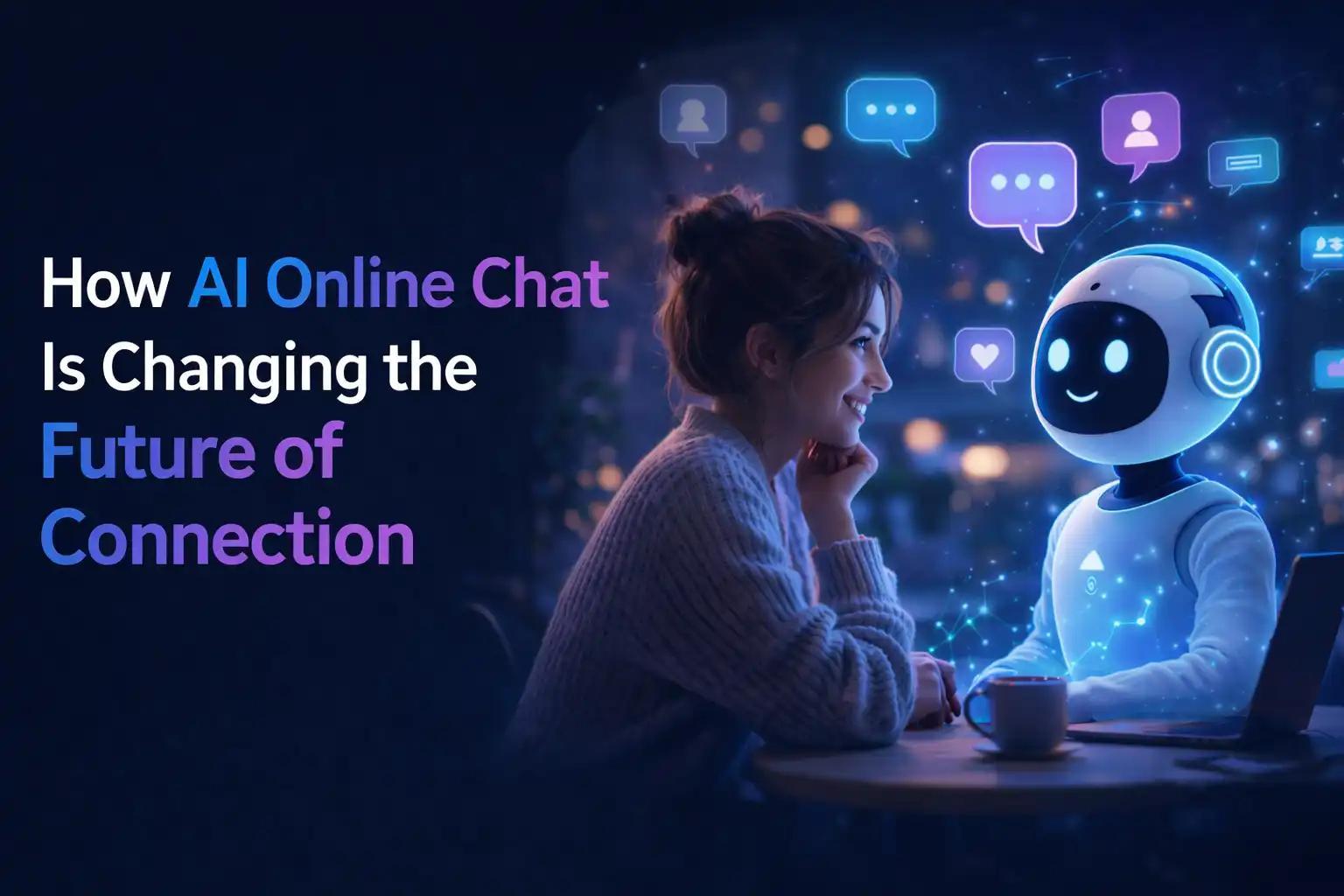
The beginning of a significant cultural transition is taking place with the growth of ai chat technology on the Internet. As this type of technology advances in the future, it will develop into something that is personalized, with the ability to empathize emotionally and have integration into day-to-day existence.
Examples of how ai companions will develop include:
- The ability to recognize tone and mood more accurately
- Provide individualized support for mental health
- Integration into virtual worlds for immersive experience
For the adolescent generation growing up in this time frame, having a digital companion will seem completely normal.
Final Thoughts: The Role of AI Friendship in Teen Lives
Teenage friendships powered by AI are about more than just a trend—they reflect the emotional needs of today’s fast-paced digital world. While they offer comfort, are convenient and are a non-threatening way for you to communicate with others, they also remind us of the need for human-to-human connections.
When used with care, AI can be an important source of emotional support for teenagers. AI can provide teenagers with the assurance they are being heard and understood; it can also help teenagers feel less isolated during difficult times. That said, AI should never replace the warmth, intricacy, and authenticity of a true relationship.
Going forward, we need to find that balance between human and machine, so that both can be utilised to support teenagers in ways that matter.