AI Art


AI Boyfriend
AI Companion
AI Futa
AI Girlfriend
AI Hentai
AI Porn
Anime AI
What Is AI Anime Porn? Guide To AI Characters and Chat
Learn what AI anime porn means, how AI anime characters, chat, roleplay, and companions work, and how interactive experiences go beyond images.


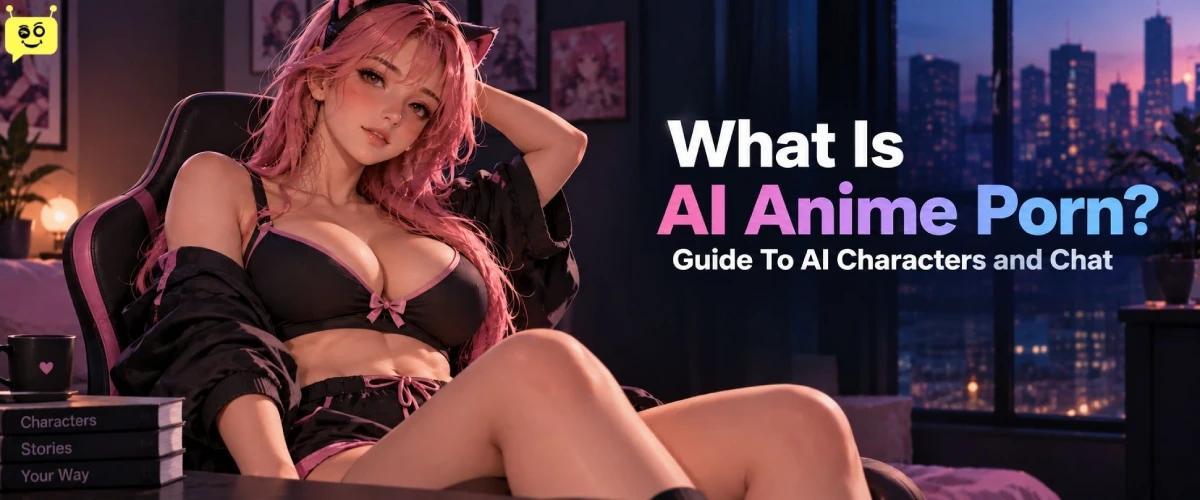
Fictional anime-style characters are no longer limited to illustrations, shows, games, or static images. AI tools now allow adults to create fictional characters, customize their appearance, generate images, and in some cases interact with characters through conversations and roleplay.
AI anime porn is often associated with visual adult content, but AI character experiences can also include chat, personalities, roleplay, images, and virtual companions. This guide breaks everything down in simple language.
What Is AI Anime Porn?
AI anime porn generally refers to adult-oriented, anime-style visual content created or customized using AI tools.
Depending on the service, adults may be able to influence character appearance, hairstyle, clothing, body appearance, expression, visual style, background, setting, pose, and overall mood. Available options and content rules differ between platforms.
The term is broad. Some platforms focus mainly on images. Others combine characters, conversations, images, and roleplay. Adult-oriented content is intended for adults only.
How Does AI Anime Content Creation Work?
The process is simple and does not require technical knowledge.
A user describes an adult fictional character, chooses visual details, the AI creates an image, and the user can adjust the description and try again.
Clear instructions help. Useful elements include character, appearance, clothing, setting, pose, expression, style, and lighting. This section stays non-graphic and focuses only on helping beginners understand the process.
What Are AI Anime Characters?
An AI anime character can be more than a single generated picture.
Depending on the platform, a character may have a name, visual appearance, personality, background, communication style, interests, relationship role, images, and ongoing conversations.
These details create a stronger sense of character identity. Terms such as AI anime characters, personalized AI characters, and virtual anime characters all point to this idea of a defined fictional persona.
AI Anime Images vs AI Anime Chat
Visual creation and character conversation are two different experiences.
| Feature | AI Anime Images | AI Anime Chat |
|---|---|---|
| Main experience | Visual | Conversational |
| User action | Describe → generate → view | Message → reply → continue |
| Character appearance | Strong focus | Supportive of conversation |
| Personality | Shown mainly through look | Shapes replies and tone |
| Conversation | Limited or none | Central |
| Storytelling | Visual only | Interactive |
| Personalization | Appearance and style | Personality, scenario, conversation |
| Ongoing interaction | Low | High |
| Roleplay | Usually visual only | Core feature |
| User participation | Result-focused | Continuous |
AI anime images focus mainly on what a fictional character looks like. AI anime chat focuses mainly on interacting with that character. Neither is universally better. They serve different goals.
What Is AI Anime Chat?
AI anime chat is conversation with a fictional anime-style AI character.
The basic interaction is simple: the user sends a message, the character replies, the user responds, and the conversation continues.
Character personality can affect tone, replies, interests, behavior, storytelling, and relationship style. This creates a more active experience than simply viewing an image. Related terms include anime AI chatbot and AI character chat.
What Is an AI Anime Companion?
An AI companion is designed around an ongoing fictional character identity rather than a one-time conversation.
It can include personality, appearance, relationship role, conversation style, shared interactions, images, activities, and ongoing conversations. The idea is continuity — a recognizable character you can return to rather than starting over every time.
How Can You Personalize an AI Anime Character?
Personalization works in everyday ways.
Appearance
Users may influence hair, face, body style, clothing, colors, expression, and visual appearance.
Personality and Conversation
Users may influence personality traits, character background, conversation style, relationship role, interests, scenario, and tone.
Customization helps make a fictional character feel more personal and recognizable. Exact controls depend on the platform.
What Is AI Anime Roleplay?
AI anime roleplay is fictional, character-based storytelling through conversation.
Users can choose or create a scenario and influence what happens by deciding what they say next. Safe, non-graphic examples include a fictional date, a fantasy adventure, meeting a character at a café, traveling together, a dramatic fictional story, or a romantic conversation.
Roleplay is interactive because the user participates rather than simply reading a finished story. Related terms include AI character roleplay and anime AI roleplay.
AI Anime Porn vs AI Anime Roleplay
AI anime porn generally refers primarily to adult-oriented visual content.
AI anime roleplay focuses on interacting with fictional characters through conversation and scenarios.
| Feature | AI Anime Porn | AI Anime Roleplay |
|---|---|---|
| Main focus | Visual content | Conversation and scenarios |
| Content type | Images | Text-based interaction |
| Character personality | Limited | Central |
| User participation | Describe and view | Continuous messaging |
| Visual customization | High | Supportive |
| Conversation | Limited or none | Core feature |
| Storytelling | Visual only | Interactive |
| Ongoing interaction | Low | High |
| Personalization | Appearance and style | Personality, role, scenario |
These experiences do not always have to exist separately. Some character-based platforms can combine visual identity with conversation and other interactive elements.
From Viewing a Character to Interacting With One
The experience changes when a fictional character moves from being only a visual creation to having a personality, conversation, reactions, activities, images, and an ongoing identity.
Instead of repeatedly creating unrelated pictures, some users prefer having one recognizable character they can continue interacting with. This shift from static visuals to ongoing interaction is a key part of modern AI character experiences.
Can AI Character Images and Chat Work Together?
Yes. Visual and conversational experiences can complement each other.
A user may choose or customize a fictional character’s appearance and then chat with that same character. The character’s visual identity helps the user recognize them, while personality and conversation add another layer to the experience. Images add visual context. Conversation adds interaction. The discussion stays non-explicit.
What Makes an AI Character Feel More Personal?
Consistent personality, recognizable appearance, conversation style, character background, relationship role, remembered context, personalization, and visual identity all contribute.
These factors shape what the user experiences. A character that keeps a stable personality and appearance feels more defined than one that changes with every message or image.
AI Anime Characters vs Traditional Anime Characters
Traditional anime characters and interactive AI characters can look similar, but the way people experience them is very different. Traditional characters are part of stories created by writers and artists, while interactive AI characters are designed to respond to users and allow more personalized experiences.
| Feature | Traditional Anime Character | Interactive AI Character |
|---|---|---|
| Story | Follows a written storyline | Can develop through user interaction |
| Personality | Defined by writers | Designed and can shape conversations |
| User interaction | Mostly viewing or reading | Direct interaction with the character |
| Conversation | Part of a written script | Changes based on the conversation |
| Customization | Usually fixed | Often customizable |
| Appearance | Defined by the original design | May be personalized |
| Roleplay | Follows the original story | Users can take part in fictional scenarios |
| Ongoing interaction | Limited to existing content | Conversations can continue over time |
The biggest difference is participation. With a traditional anime character, the audience watches or reads a story that has already been created. With an interactive AI character, the user can take part in the experience by chatting, choosing scenarios, and sometimes personalizing the character’s appearance or personality.
This does not mean interactive AI characters replace traditional anime characters. They simply offer a different experience—one focused more on personalization, conversation, and interaction.
Where Does ChatReal Fit In?
ChatReal is a character-focused AI companion platform.
It supports customizable AI companions, male and female companions, character personality customization, companion personas, chat, different relationship roles, character images, scenes, activities, voice interaction, video calls, and ongoing companion experiences.
ChatReal represents the shift from simply viewing an AI-created character toward interacting with a personalized companion. The combination is straightforward: see the character, talk to the character, personalize the character, and interact with the character.
Explore ChatReal to create or chat with an AI companion and experience how these elements work together.
AI Character Chat vs Human Conversation
AI characters are fictional digital characters. They can generate conversational responses and display a designed personality, but they are not real people and do not experience human emotions.
| Feature | AI Character Chat | Human Conversation |
|---|---|---|
| Conversation partner | Virtual character | Real person |
| Personality | Designed | Real |
| Emotions | Simulated | Real human emotions |
| Availability | Platform-dependent | Depends on the person |
| Roleplay | Fictional and customizable | Depends on participants |
| Relationship | Digital interaction | Real-world relationship |
| Real-world experience | Simulated | Lived experience |
The tone stays neutral. AI character chat is digital entertainment, not a substitute for human relationships.
Privacy and Responsible Use
Use adult platforms only when legally eligible. Check platform rules and privacy policies. Protect account information. Avoid unnecessary sharing of sensitive personal details. Understand what information a service stores. Understand content rules.
These steps are practical rather than alarmist.
Final Thoughts
AI anime porn generally refers to adult-oriented anime-style visual content, but the wider AI character space includes much more than static images.
Images provide visual identity. Chat provides interaction. Personality gives the character identity. Roleplay supports fictional scenarios. AI companions can bring these elements together.
Platforms such as ChatReal.ai show how AI character experiences can move from simply viewing fictional characters toward interacting with personalized virtual companions. Understanding the difference between visual content and interactive character experiences helps beginners choose the type of experience that fits what they actually want.
Frequently Asked Questions
What is AI anime porn?
It generally refers to adult-oriented, anime-style visual content created or customized using AI tools. Users may influence appearance, style, setting, and other visual details depending on the platform.
What is AI anime chat?
It is conversation with a fictional anime-style AI character. The user sends messages, the character replies based on its personality, and the exchange continues.
What is an AI anime character?
It is a fictional digital character that can have a name, appearance, personality, background, and conversation style. It is more than a single generated image when the platform supports ongoing interaction.
What is the difference between AI anime images and AI anime chat?
Images focus on visual appearance. Chat focuses on ongoing conversation and interaction with a character. Some platforms combine both.
Can you create a personalized AI anime companion?
Yes, depending on the platform. Customization may include appearance, personality, relationship role, and conversation preferences. Available options vary by service.