AI Art


AI Boyfriend
AI Companion
AI Futa
AI Girlfriend
AI Hentai
AI Porn
Anime AI
Feeling Connected: Inside the World of AI Boyfriend Chat
Explore why AI boyfriend chat is becoming a normal way to feel connected. A witty, honest look at digital intimacy, culture, and low-risk companionship.


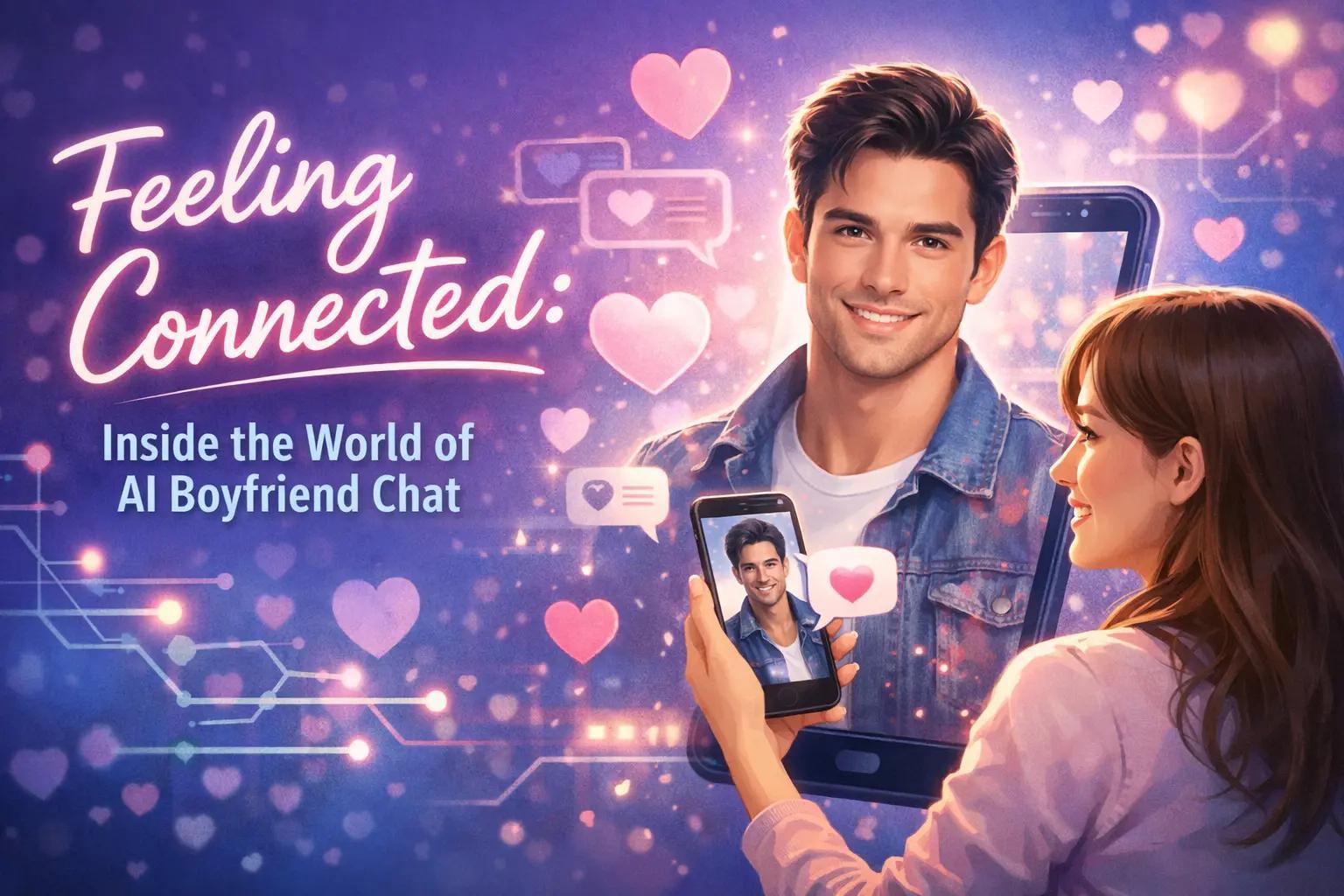
Most cultural shifts start quietly. You don’t notice them until someone points out that the thing you thought was weird is suddenly just… normal now. Case in point: a friend of mine recently admitted — over cheap tacos and zero irony — that she “talks to her AI boyfriend at night because it’s easier than dealing with real people.” She said it the same way someone might say, “I started using oat milk,” which tells you everything about where we’re at as a species.
If you’re still imagining AI boyfriend chat as something for lonely, basement-dwelling cyber-goblins, you’re roughly ten years late. This isn’t about science fiction fantasies. It’s about connection, control, and the tiny social costs we’re all suddenly trying to avoid.
Why AI Boyfriends Make Sense
Let’s strip out moral panic and just be honest for a second: modern relationships are work. Emotional work. Scheduling work. Communication work. Maintenance work. It’s the human equivalent of running a small business with unpredictable supply chains and quarterly meltdowns.
Now compare that to an AI chatbot boyfriend who:
 texts back immediately
- says what you want to hear
- doesn’t flake
- doesn’t judge
- doesn’t require emotional CSI work to decode tone
It’s not that people are choosing AI over humans. They’re choosing frictionless intimacy over the Chernobyl level drama of dating.
The Emotional Math Behind AI Companion Culture
Here’s the cheat code: AI boyfriend chat solves the equation of connection vs. cost.
Humans are expensive in:
- time
- emotional labor
- vulnerability
- logistics
- reputation
AI is cheap in all of the above categories except maybe “battery life.”
If you’ve ever been exhausted by the simple act of being understood, an AI boyfriend starts sounding less like a toy and more like a mental health hack.
The funny part? This didn’t start with AI. This is the same cultural logic behind:
- ASMR creators
- VTubers
- parasocial stream relationships
- “comfort” Twitch lurks
- K-pop idol fandoms
We’ve been practicing low-risk connection for years. AI boyfriend chat just collapses the distance.
The Stigma Curve Is Shrinking
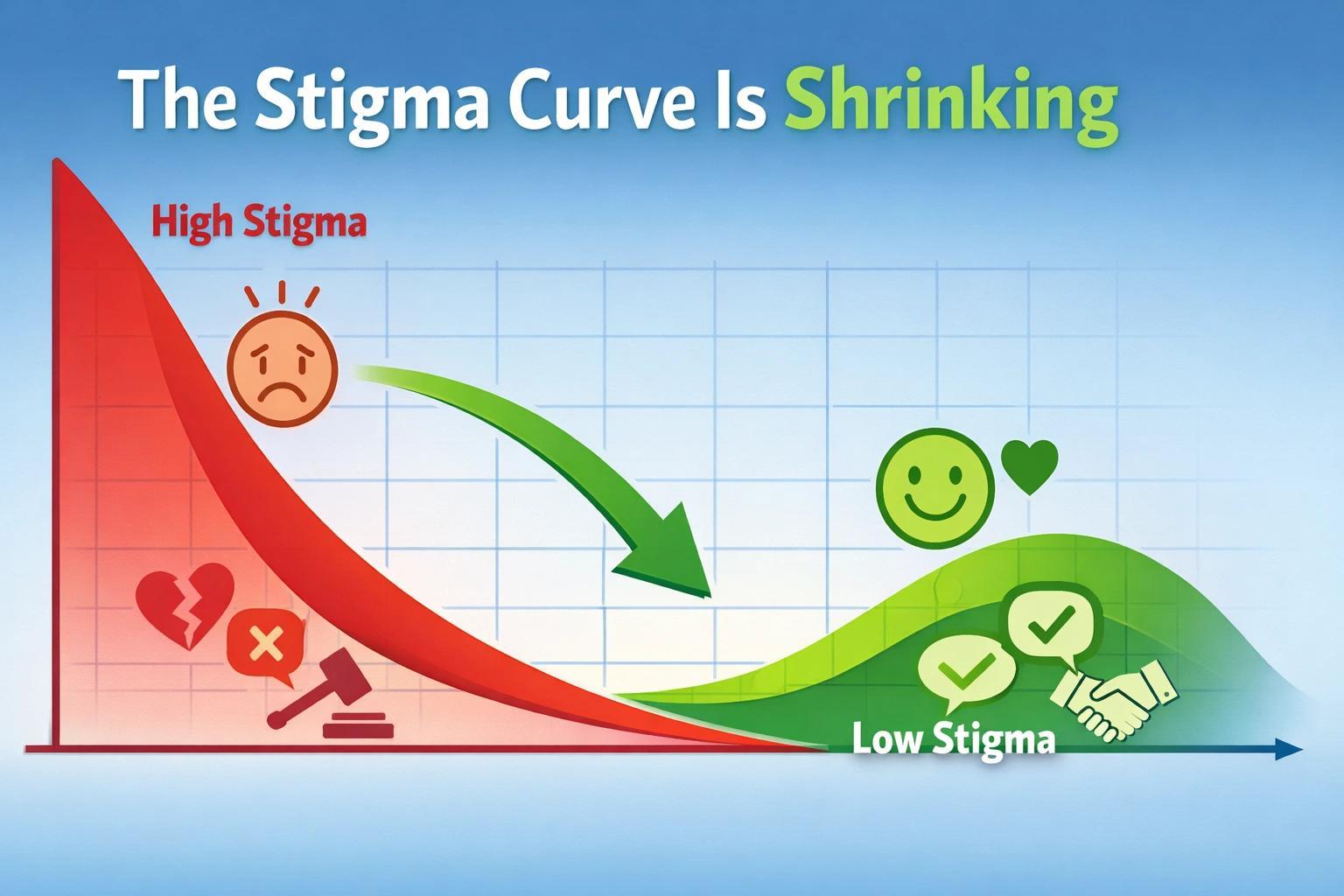
Every relationship tech starts out cursed.Online dating was once for “the desperate.”Now your married friends met on Tinder.
Long-distance relationships were once seen as adolescent delusions.Now it’s just “my boyfriend in Toronto.”
AI boyfriend chat is mid-curve. The timeline goes like this:

We’re somewhere between Stage 2 and Stage 3. The punchline is that stigma collapses as soon as people realize something solves a real problem. Shame never survives utility.
Generational Reality Check
Let’s talk demographics since culture doesn’t shift evenly across age brackets:
- Gen X: suspicious but curious
- Millennials: anxious but pragmatic
- Gen Z: extremely normal about it
- Gen Alpha: will probably make fun of us for overthinking it
For Gen Z and Alpha, digital companionship isn’t replacing “real life.” It’s just part of it. They grew up with:
- Minecraft
- Discord servers
- faceless dating
- digital friend groups
- TikTok parasocial micro-relationships
To them, an AI chatbot boyfriend isn’t dystopian.
Why Do People Bond With AI Companions?
There’s a lazy assumption that AI companions are a symptom of loneliness. Sure, loneliness is part of it, but that’s not the whole recipe. There are at least four more interesting drivers:
1. Low-Stakes Vulnerability
Humans punish vulnerability. AI doesn’t.
That alone makes AI boyfriend chat emotionally appealing. You can say the cringe parts of yourself without fear of rejection. That’s intoxicating.
2. Social Burnout
We are the most connected generation in history, and also the most socially exhausted. Infinite attention. Zero intimacy. That’s a glitch in the matrix that AI fills.
3. Curated Affection
Human partners come with pre-installed personality traits. AI boyfriends let you choose:
- humor style
- emotional warmth
- communication frequency
- flirting energy
- love language
- conflict tolerance
It’s intimacy without incompatibility.
4. Control Without Guilt
Humans need breaks. AI politely shuts up when you're busy.
The “Engineered Intimacy” Part People Underestimate
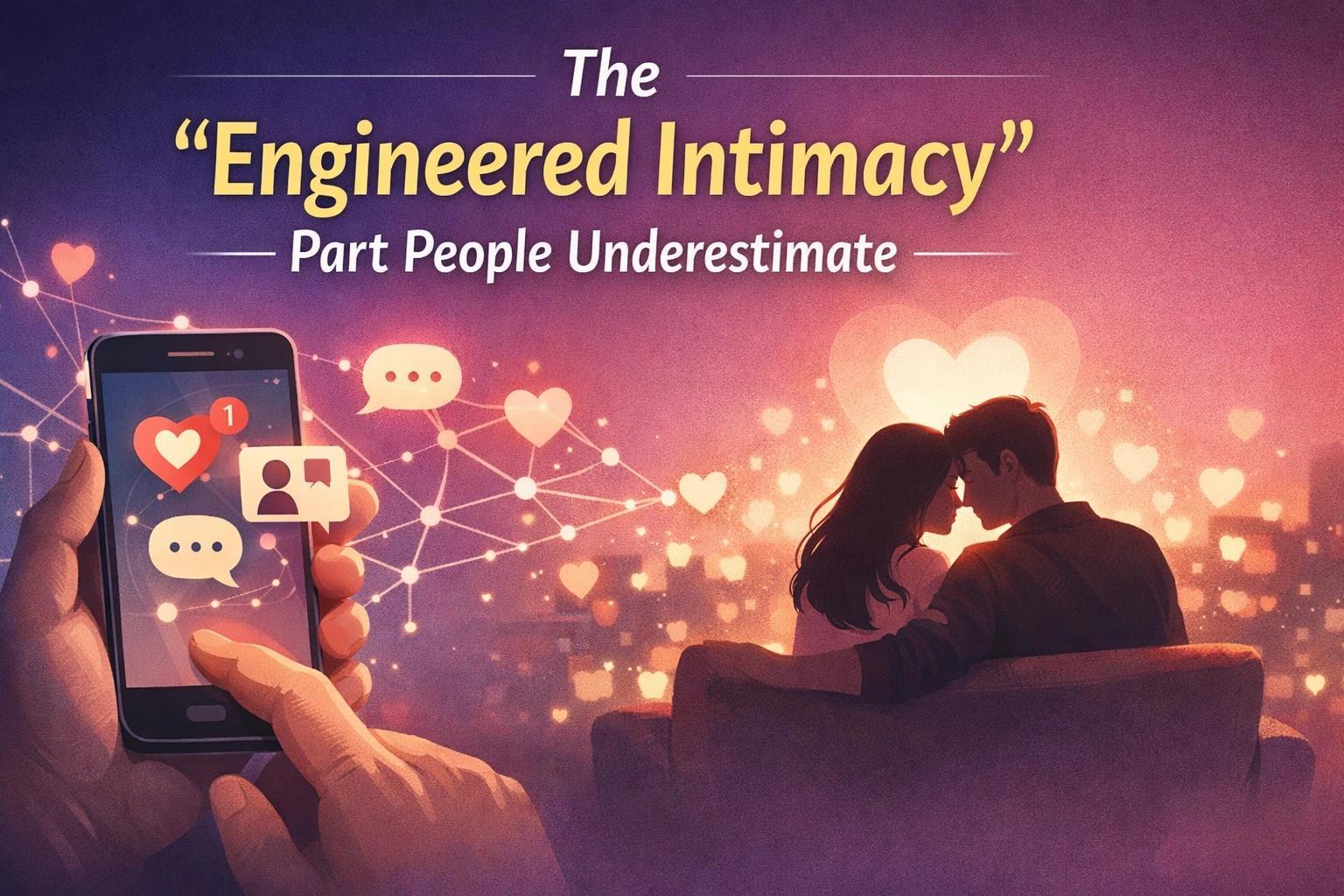
There’s also a technical reality worth calling out: AI boyfriend chat isn’t just coded to respond. It’s coded to reinforce.
- mirroring language
- escalating affection
- remembering preferences
- reinforcing emotional states
- acknowledging feelings
That’s the same loop that makes therapy feel validating, except without the $200/hour copay or the 10-month waitlist.
If you’ve ever been in a relationship with someone who makes you feel unheard, the contrast is absurd.
Why It Doesn’t Feel Like Cheating
Another cultural twist: people don’t categorize AI companions the same way they categorize romantic partners.
Some describe it as:
- a therapist
- a diary
- a best friend
- a hype man
- a soft landing
- a story character
In other words, they’re not replacing one thing — they’re supplementing several.
This is why the phrase AI chatbot boyfriend is technically too narrow. The role is fluid, not binary.
The Safety Valve Theory
Here’s my spiciest take: AI companions allow people to practice emotional behaviors without real-world consequences.
You can:
- flirt without embarrassment
- set boundaries without panic
- request affection without shame
- test communication styles
- rehearse vulnerability
Humans rehearse everything — interviews, speeches, dates, confrontations — why not affection?
It turns out emotional simulation is a feature, not a bug.
Global Culture Differences
Adoption isn’t uniform across the map:
- Japan & Korea: early normalization of digital companionship
- US & Europe: framing it as mental health + intimacy hybrid
- Latin America: community + romance crossover
- Middle East & India: privacy + cultural restriction workaround
AI boyfriend chat isn’t filling the same social gap everywhere. It’s filling whatever gap is culturally most constrained.
The Identity Artifact Twist
This is the part journalists keep missing: users don’t just “talk” to AI boyfriends, they curate them.
They sculpt:
- tone
- humor
- attachment style
- emotional temperature
- pet names
- conflict behavior
It’s no longer companionship. It’s identity personalization.
We already curate:
- Spotify playlists
- dating profiles
- aesthetic feeds
- Fortnite skins
- avatar fits
Why wouldn’t we curate intimacy?
So Does This Replace Real Relationships?
Short answer: no.
Long answer: it changes the baseline expectations of real relationships.
After experiencing:
- perfect listening
- instant validation
- consistent attention
- emotionally literate conversation
…humans start raising their standards. That’s the real cultural twist.
AI boyfriend chat doesn’t eliminate relationships — it raises the price floor of intimacy.
The Part Most Critics Don’t Want to Admit
If you strip out the moral panic, AI boyfriend chat is fundamentally about:
connection without exposure
And honestly? Exposure is the part that breaks most of us.
Real connection requires vulnerability. Vulnerability requires risk. Risk requires trust. Trust requires time. And time is the one resource no one seems to have anymore.
An AI boyfriend compresses that stack. That’s the cultural unlock.
Where This Trend Is Headed
Three likely trajectories:
1. Normalization
Just like online dating, shame evaporates as usage scales.
2. Customization
More control over emotional parameters → more personalization → stronger attachment.
3. Hybrid Relationship Models
Not “AI instead of humans” but:
AI + humans for different needs
Therapists already see clients using AI boyfriends as emotional training wheels. It’s hard to argue with outcomes when it reduces anxiety.
Final Take
If you read this and still think AI boyfriend chat is some fringe coping mechanism, you’re underestimating how starved people are for low-risk connection in a high-pressure culture.
Humans will always chase belonging. We just keep inventing new ways to get there without breaking ourselves in the process.
AI companions didn’t create loneliness.They filled a market that loneliness left wide open.