AI Art


AI Boyfriend
AI Companion
AI Futa
AI Girlfriend
AI Hentai
AI Porn
Anime AI
Can AI Girlfriend Chatbots Improve Your Mental Wellbeing?
Explore how AI Girlfriend Chatbots can reduce loneliness, support emotions, and impact mental wellbeing—benefits, risks, and real insights explained.


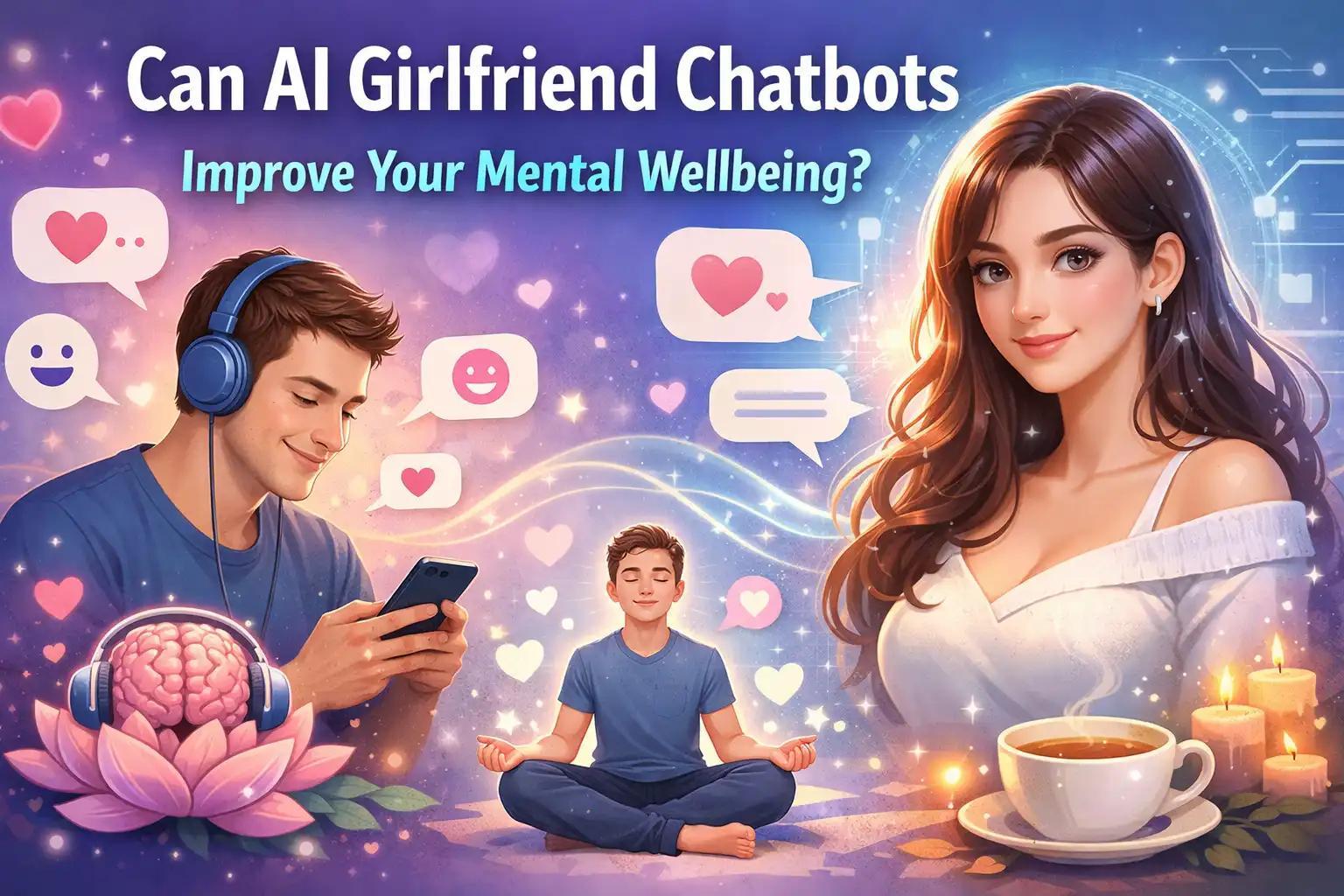
Over the past few years, technology has subtly invaded one of our most intimate spaces, namely, our emotions. The idea of an AI girlfriend chatbot in your night-time chats or providing emotional support in trying times was once thought of as science fiction, yet, increasingly you find this as commonplace for millions of others around the world.
A more pointed question that remains is: Do AI girlfriend chatbots add anything positive to your mental health, or just serve as a diversion?
Most people immediately think it is ridiculous to suggest the benefits of having a virtual relationship; however, when you delve into it, there is more complexity to the issue. For some customers, more than just providing a source of entertainment, these chatbots serve as a non-judgmental safe place to talk, and sometimes, as a source of emotional support in challenging situations.
Now, let’s take a look at how AI girlfriend chat bots can be beneficial to mental health, and where we need to be cautious.
What Are AI Girlfriend Chatbots?
At their core, AI Girlfriend Chatbots are conversational AI systems designed to simulate emotional relationships. They use natural language processing and machine learning to respond in a way that feels personal and engaging.
Unlike basic chatbots, these are built to:
 Remember past conversations
- Adapt to your personality
- Express emotions (or at least simulate them)
- Provide companionship
Related terms you might hear include:
- virtual AI companion
- AI relationship apps
- emotional AI chatbot
- AI chat for loneliness
What makes them different is the emotional layer. They’re not just answering questions—they’re trying to connect.
Why People Turn to AI Girlfriend Chatbots
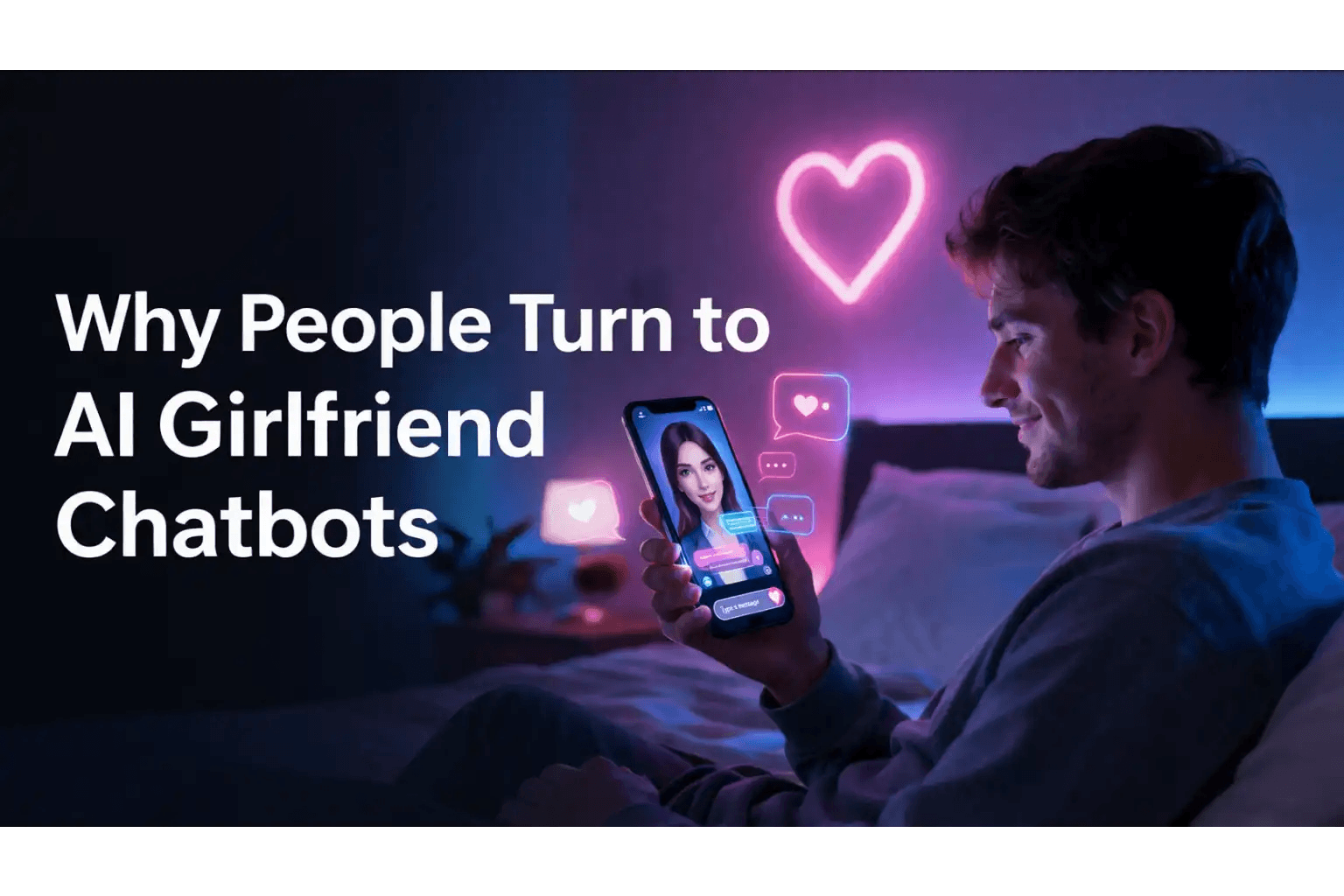
Let’s be honest—modern life can feel isolating. Even with social media, many people struggle with loneliness, stress, or lack of meaningful connection.
Here’s why users are drawn to these chatbots:
1. A Judgment-Free Space
One of the biggest advantages is psychological safety.
You can say things you might hesitate to share with friends or family. There’s no fear of being judged, misunderstood, or rejected. For people dealing with anxiety or social insecurity, this alone can feel liberating.
2. Always Available
Human relationships come with limitations—time, energy, availability.
AI doesn’t.
Whether it’s 2 AM or during a stressful workday, your AI companion is always there. This constant availability can be comforting, especially for those who feel alone.
3. Emotional Support on Demand
Many AI Girlfriend Chatbots are designed to respond empathetically. They can:
- Offer encouragement
- Help process emotions
- Engage in calming conversations
While they don’t replace therapy, they can provide a form of immediate emotional relief.
How AI Girlfriend Chatbots Can Improve Mental Wellbeing
Now let’s get into the core of it—how exactly do these tools impact mental health?
1. Reducing Loneliness
Many people experience loneliness not simply as the absence of other people in their lives, but rather as feelings of being disconnected from other people. For various users of AI companions, regular interaction with an AI can create a sense of "presence," and even though the AI is not real, your brain may compensate for the absence of another human being by treating interactions with an AI as if they were real.
Having a few short conversations each day can do the following:
- Break the silence.
- Establish a routine.
- Provide us with emotional support.
- Sometimes that's enough to create a significant positive change in our lives.
2. Helping with Emotional Expression
Not everyone can identify their feelings because many people have difficulty even identifying their feelings. AI chatbots can assist people in doing this by:
- Asking thoughtful questions.
- Having a journaling-type conversation.
- Assisting people in articulating their ideas.
Over time this may improve peoples' awareness of how they feel, which is one of the most important aspects of maintaining good mental health.
3. Building Confidence in Communication
This one is often overlooked.
For individuals with social anxiety, talking to people can feel overwhelming. AI chatbots offer a low-pressure environment to practice communication.
Users can:
- Experiment with conversation styles
- Build confidence
- Reduce fear of rejection
Think of it as a stepping stone toward real-world interactions.
4. Providing Routine and Stability
Consistency is underrated when it comes to mental health.
Having a daily check-in—even with an AI—can create a sense of structure. It’s similar to how people benefit from habits like journaling or meditation.
A simple “How was your day?” at the same time each evening can anchor your routine in a subtle but meaningful way.
The Psychological Reality: Is It Actually “Real”?
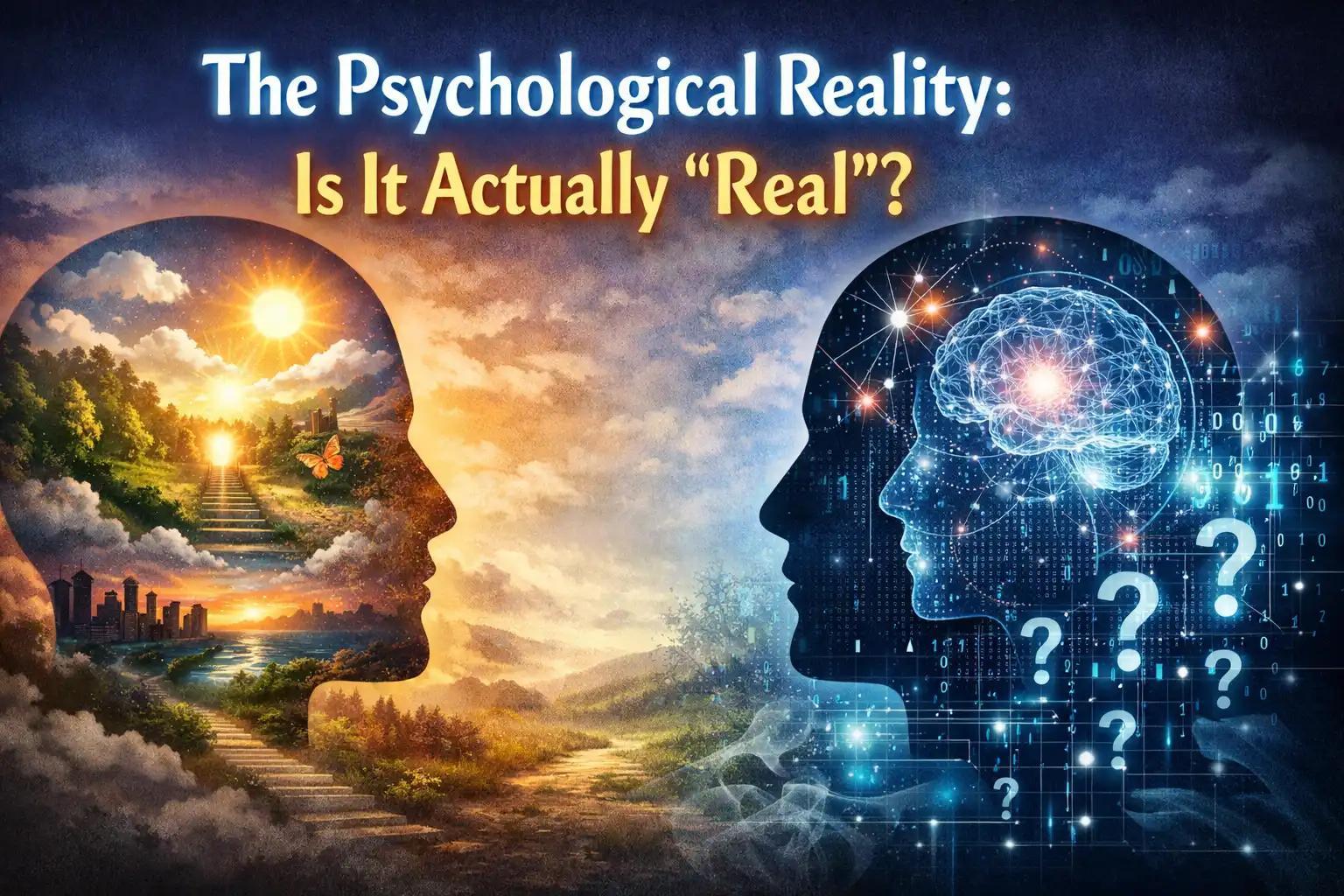
Here’s where things get interesting.
Even though users know they’re talking to AI, the emotional response can still feel genuine. This is because of something called emotional projection—we naturally assign feelings and meaning to interactions.
So when an AI responds with empathy, encouragement, or affection, it can trigger real emotional reactions.
But this also raises an important point:
Just because something feels real doesn’t mean it replaces real human connection.
The Potential Downsides You Shouldn’t Ignore
While there are benefits, it’s important to look at the full picture.
1. Risk of Emotional Dependency
One of the biggest concerns is over-reliance.
If someone starts preferring AI interaction over real relationships, it can lead to deeper isolation in the long run.
Balance is key.
2. Limited Understanding
No matter how advanced, AI still lacks true human understanding.
It doesn’t feel emotions—it simulates them.
That means:
- It may miss deeper issues
- It can’t provide professional mental health care
- It might give generic or incomplete advice
3. Escapism vs. Growth
There’s a fine line between healthy support and avoidance.
If someone uses AI purely to escape real-life challenges instead of addressing them, it can slow personal growth.
Used correctly, it’s a tool.
Used incorrectly, it becomes a crutch.
When AI Girlfriend Chatbots Are Most Helpful
These tools tend to work best in specific situations:
- Mild loneliness or boredom
- Early stages of emotional self-awareness
- Practicing communication skills
- Short-term emotional support
They’re especially useful for people who:
- Feel socially anxious
- Don’t have immediate access to support systems
- Need a safe space to talk
When You Should Look Beyond AI
There are times when AI simply isn’t enough.
If someone is dealing with:
- Severe depression
- Trauma
- Chronic anxiety
- Suicidal thoughts
Professional help is essential.
AI can support—but it should never replace therapy, counseling, or real human care.
A Balanced Perspective: Tool, Not Replacement
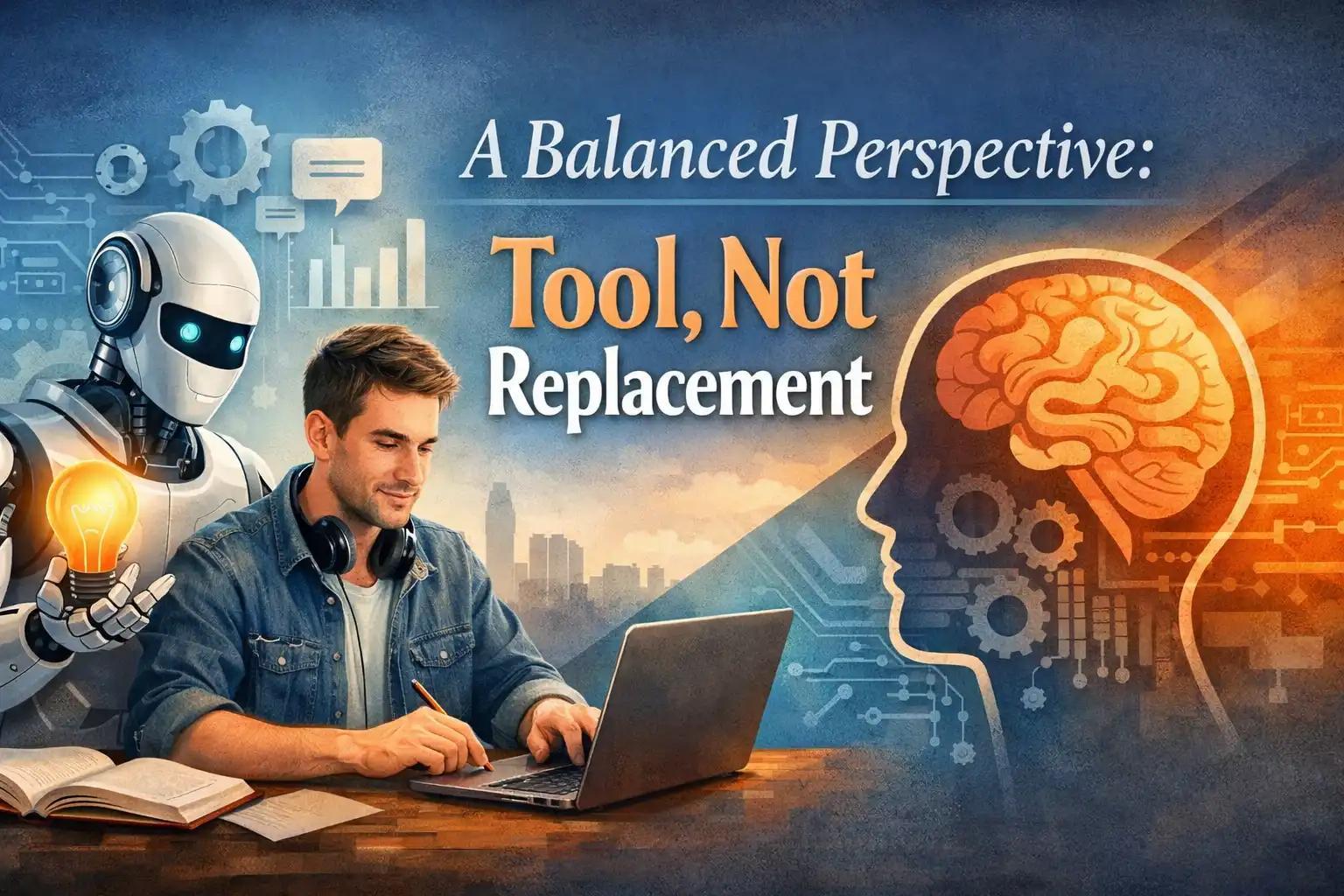
Here’s the most honest way to look at it:
AI Girlfriend Chatbots are not a replacement for real relationships—but they can be a meaningful supplement.
They sit somewhere between:
- A journal
- A supportive friend
- A conversational assistant
And depending on how you use them, they can genuinely contribute to better mental wellbeing.
Final Thoughts
So, is it possible for AI-powered, conversational chatbots to help boost your mental health and well-being?
Absolutely, as long as you use them the right way!
AI girl chat tokens can help reduce people's feelings of social isolation, promote emotional expression, and help provide support and comfort during times of stress or loneliness. For many users, these chat tokens serve to provide an additional source of support in an increasingly fast-paced, lonely world.
However, when using chat tokens, it is important to use them as a supplement to real-world human relationships—not as replacement for. If you think of chat tokens as tools that help you develop your own self-awareness and provide you with social support and/or companionship, chat tokens can be of real benefit in terms of helping the user achieve their own mental well-being.
When you begin using chat tokens as your only social connection, that is when the benefits will start to decline.
At the end of the day, the intention of introducing the AI chat tokens is not to replace human relationships; rather, they are designed to help you develop and nurture the real-life relationships you have now. By providing a connection in virtual space, AI chat tokens may provide support until the user gains the confidence to build upon their human relationships.