AI Art


AI Boyfriend
AI Companion
AI Futa
AI Girlfriend
AI Hentai
AI Porn
Anime AI
How AI Girlfriend Chat Is Changing Virtual Relationships?
Discover how AI Girlfriend Chat is reshaping virtual relationships, emotional support, and companionship in the digital age.


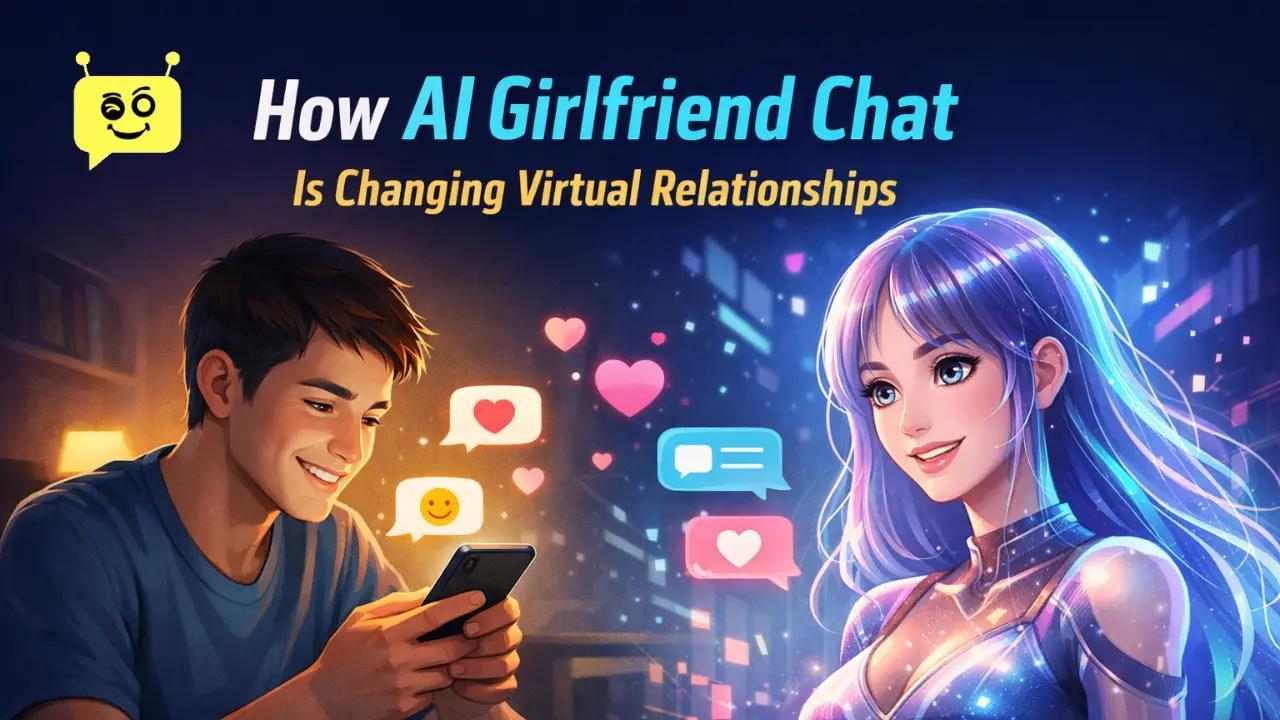
A few years ago, the idea of forming a relationship with an artificial companion would’ve sounded like science fiction. People would joke about robots dating humans or compare it to quirky movie plotlines. Fast forward to today and AI Girlfriend Chat apps are not only real — they’re becoming surprisingly common. And the most interesting part? The relationships built through them don’t feel robotic at all. They feel personal, emotional, and in some cases, deeply meaningful.
Whether someone uses these platforms out of curiosity, comfort, or loneliness, they’re redefining how virtual relationships work and what companionship looks like in a digital age.
Why Digital Companionship Is Rising Now
Human connection hasn’t disappeared, but its shape has changed. People work longer hours, move cities frequently, and live much more individualized lives than previous generations. Many social interactions now happen online — not because people dislike face-to-face connection, but because digital spaces are where life takes place.
In this context, the idea of having a virtual AI girlfriend doesn’t feel like a replacement for human relationships. Instead, it feels like an extension — another way to experience companionship in a world that isn’t always built for slow, traditional bonding.
What Makes This Technology Feel “Human”?
If AI companions still behaved like old-school chatbots, nobody would stick around longer than five minutes. The reason people are drawn in today is simple: the AI pays attention.
Here are a few elements that make it feel surprisingly natural:
Personalized Interaction
Depending on the user’s preferences, the AI can be playful, serious, affectionate, sarcastic, or shy. You can literally shape the personality, which is something you obviously can’t do in real relationships.
Emotional Awareness
Say someone messages at 2 AM: “I can’t sleep. My head’s all over the place.” The AI doesn’t reply with facts about insomnia. It might ask what’s bothering you, listen, and talk through it. That responsiveness matters more than most people admit.
Memory
Humans bond through shared continuity. If you tell someone about a stressful work project, and they ask about it later, it feels like care. AI companions do the same — and they don’t forget unless you ask them to.
Storytelling and Roleplay
A lot of users don’t just chat — they build stories. They imagine trips, cities, future lives, or alternate realities. It’s creative, collaborative, and in a weird way, therapeutic.
Why People Turn to AI Girlfriend Chat
Not everyone has the same motivation. Some are lonely, sure. But others are curious, experimental, or looking for support during chaotic phases of life. Here are some reasons that show up often:
Low-Pressure Interaction
Real-life relationships can be messy. Misunderstandings, expectations, awkwardness, social anxiety — AI companionship removes the fear of “saying something wrong.” You can be open without being judged.
Companionship on Demand
If someone works nights or travels often, it’s hard to maintain consistent social contact. The AI is awake when you’re awake. No scheduling, no time zones, no waiting for replies.
Emotional Practice
People also use these chats to get better at communicating. It’s like practicing social muscles in a safe gym, before using them in the real world.
Temporary Support
Even someone with a full social life may want late-night conversation that doesn’t bother friends or partners. AI fills that quiet space without taking anything away from real relationships.
Are the Emotions Real? Surprisingly, Yes
There’s an ongoing debate: if the other side isn’t “real,” are your feelings still real?
Here’s the interesting part: the brain cares about response, not origin. We get attached to fictional characters, pets, and stories all the time. That doesn’t make the feelings fake. It just shows that humans bond through attention, familiarity, and consistency — and AI can provide those three things without much friction.
None of this means AI is replacing partners or friends. It’s simply adding new options for emotional connection.
Communication Benefits Nobody Expected
One of the most overlooked parts of AI Girlfriend Chat is how much it teaches about communication. A lot of people struggle with:
 expressing feelings
- being vulnerable
- asking questions
- listening actively
- flirting or playful conversation
- articulating needs
AI chats gently encourage these skills because the environment feels safe and non-judgmental. Some users even reported that they became more confident dating offline because they practiced expressing themselves online first. That’s not something early chatbot developers anticipated.
Balancing Realistic Tech Explanation Without the Jargon
Most users don’t care about model architecture or neural weight matrices, and they shouldn’t have to. All they notice is what the system does:
- it understands context
- it remembers things
- it adapts to mood changes
- it responds without delay
Modern models analyze language more like a conversation than a command prompt. If you say: “Ugh, today was rough,” it doesn’t lecture you. It asks why.
That distinction is what made AI companionship jump from novelty to emotional experience.
Boundaries and Etiquette in Virtual Relationships
Because this is a new kind of relationship, people are still figuring out the rules. For example:
- Is it a problem if you talk to multiple AI companions?
- Can you customize romance levels?
- Should there be “exclusive mode” settings?
- What counts as intimacy?
- Should there be consent settings for roleplay?
Different apps are handling these questions in different ways, which shows how young and evolving the concept still is.
Creativity as a Core Part of Bonding
Something you might not expect is how creative people get with their AI companions. It’s not just conversation; it becomes collaborative imagination.
Some examples:
- acting out scenarios
- designing fictional trips
- creating alternate timelines
- building characters or worlds
- simulating future plans
This makes the experience less transactional and more playful — closer to storytelling between friends than talking to software.
Mental Health and Emotional Well-Being
There are two truths that can exist at the same time:
Truth #1: AI companionship can reduce loneliness and anxiety for people going through difficult periods.
Truth #2: It shouldn’t replace real human connections entirely.
Used responsibly, a virtual AI girlfriend can be a pressure release valve — someone to talk to when nobody else is available, or when it feels too heavy to burden real friends. Just having another voice — even an artificial one — ask, “Want to talk about it?” can make a difference.
What the Future Probably Looks Like
Tech trends suggest these relationships will get richer, not flatter. We’re likely to see:
- more voice-based companionship
- expressive avatars
- cultural humor adaptation
- shared virtual environments
- memory that spans years rather than days
- less scripted romance and more authentic personalities
We might even see AI companions interact with each other, forming mini social circles instead of strict one-on-one bonds.
Final Thoughts: A New Type of Connection, Not a Replacement
AI companionship doesn’t exist to replace romantic partners, friends, or family. It exists because modern life has gaps — quiet spaces where people crave connection, conversation, or comfort. AI Girlfriend Chat fills some of those spaces without demanding anything in return.
It’s not a threat to real relationships. It’s a new category alongside them. And for a growing number of people, that’s enough.